★★★★★
This is great
"I really like this app because it feels like a pokedex for geology. It's fun being able to run around and going what's this what's that in like a pokemon fashion."

Remember every find.
AI identification, interactive maps, and offline journaling for every walk outside.


Free to download · Free trial available
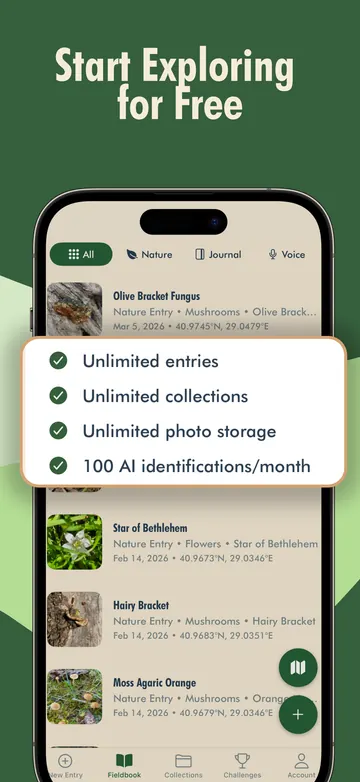
Fieldbook is a nature journal app for iPhone that uses AI to identify plants, mushrooms, birds, insects, trees, stones, shells, fish, and more from your photos. Every discovery is saved with GPS location, date, and notes to build your personal field guide, and it works fully offline on trails and in remote areas.

Most nature finds are forgotten within days. No record of where, what, or when. Fieldbook changes that.
Identify plants, mushrooms, birds, insects, stones, shells & more with AI. Map your finds. Build a personal nature archive. Works offline.
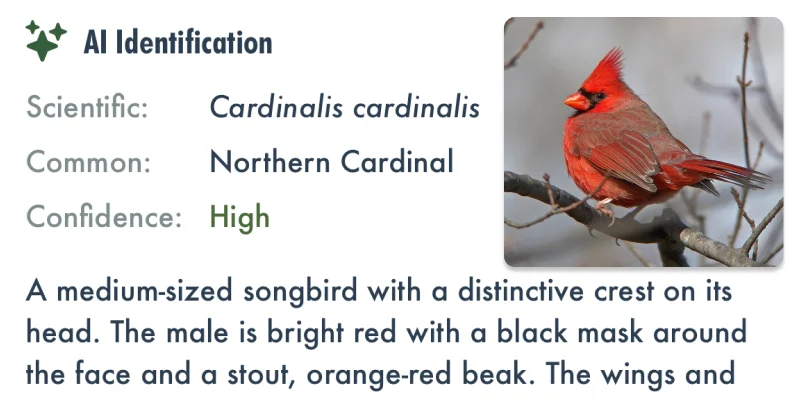
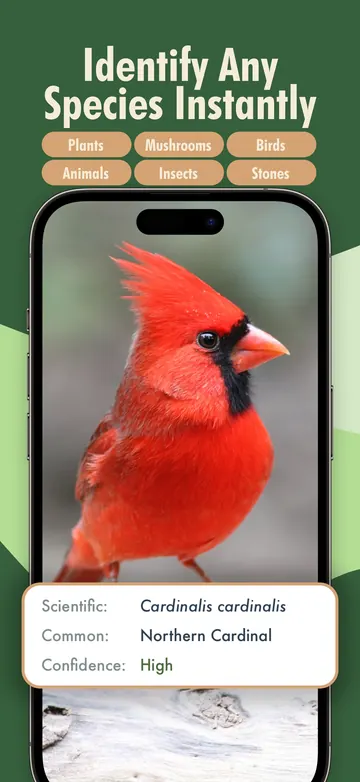
Snap a photo. Know what you found.
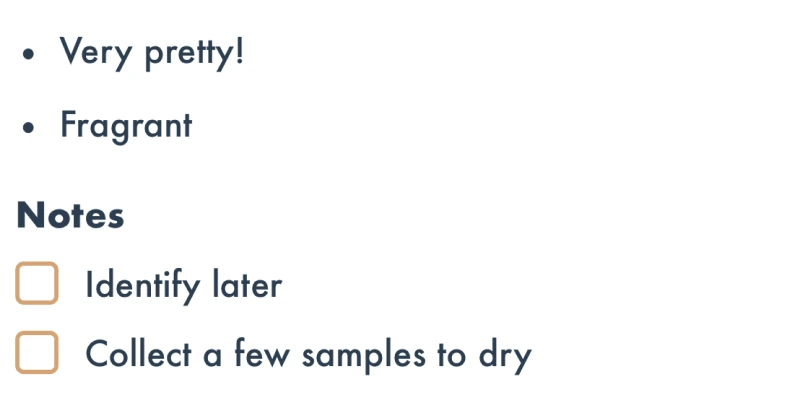
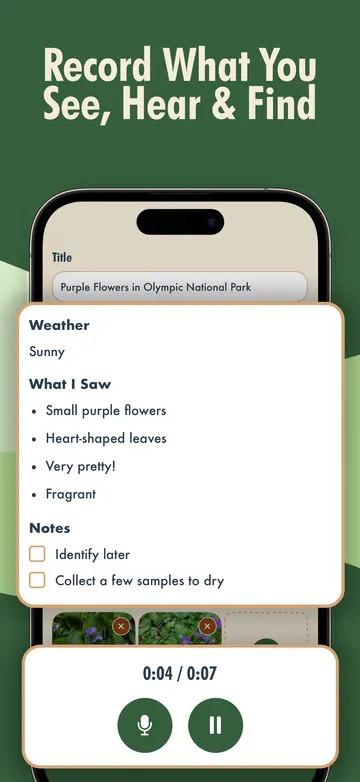
Photos, notes, and voice memos in one entry.
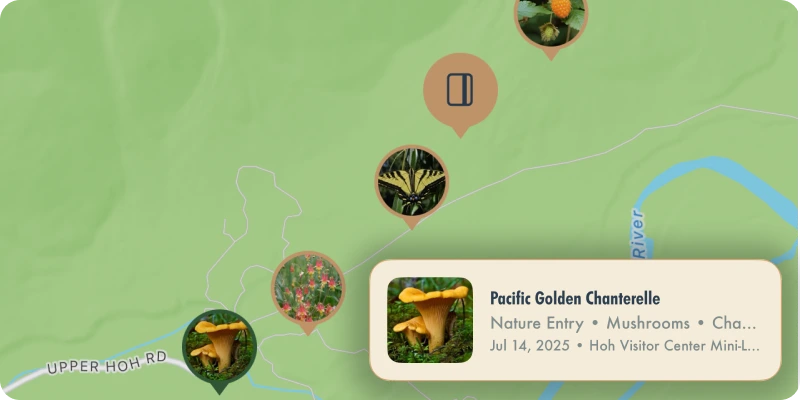
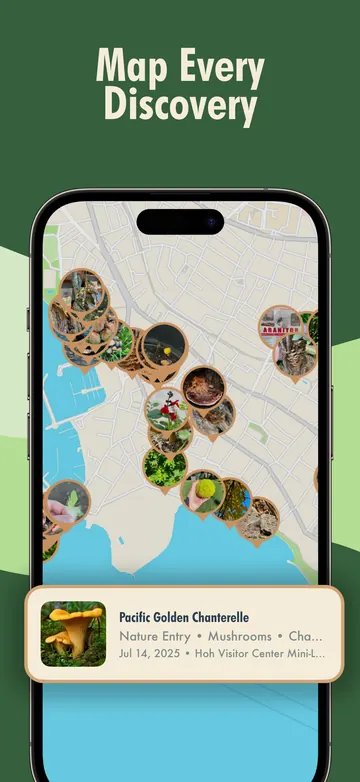
See every discovery on your personal map.
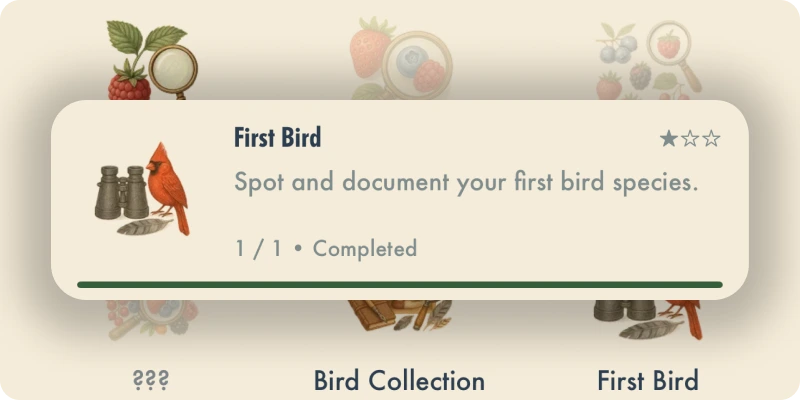
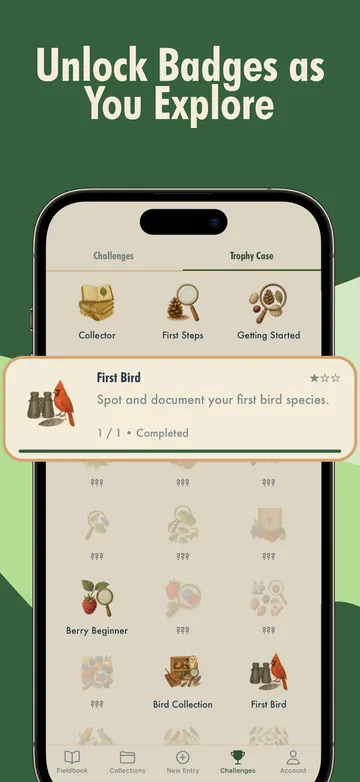
Earn badges as you explore.
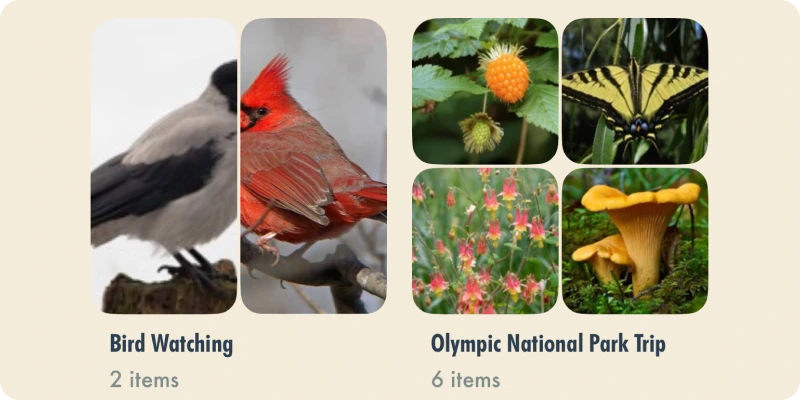
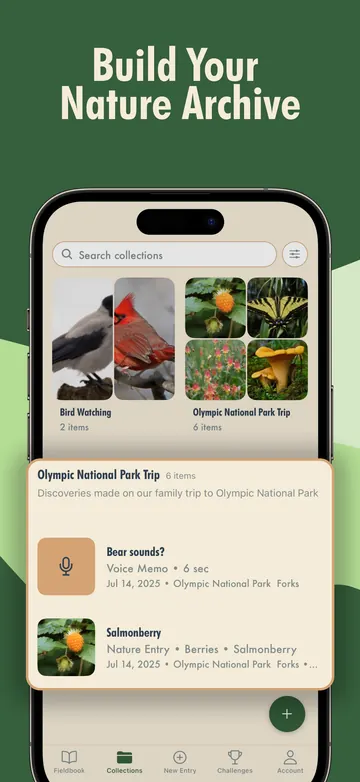
Your own searchable field guide.
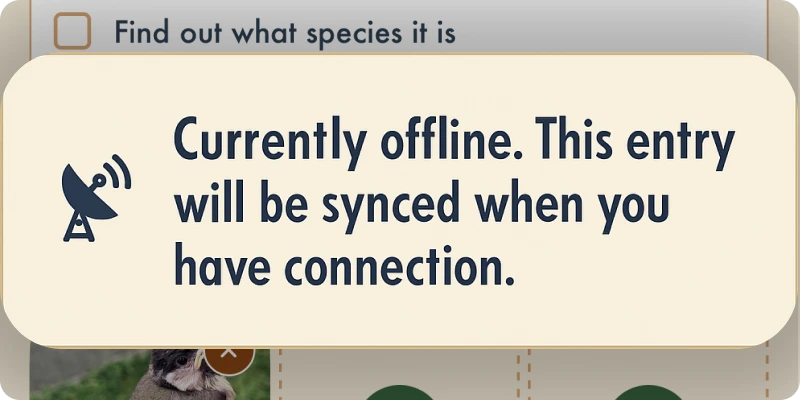
No signal? No problem.
See it in action
How it works
Point your camera at any plant, mushroom, bird, insect, stone, shell, or animal. The AI identifies it in seconds.
GPS, date, and weather are captured automatically. Add notes, photos, or voice memos.
Every find lands on your map. Filter, organize into collections, and access it all offline.
One app for identification, mapping, and journaling. Built for hikers, foragers, birdwatchers, and anyone who wants to remember what they find outdoors.
Explore Fieldbook
Identify flowers, trees, herbs, and berries from photos and save each find to your journal.
Document mushroom finds with photos, GPS location, habitat notes, and repeat sightings.
Build a personal nature archive with entries, photos, voice memos, and a discovery map.
Track seasonal foraging spots, edible finds, and habitat notes across trips.
Journal in the field with no signal. Notes and photos sync when you reconnect.
Identify trees by leaf, bark, or branch and map every find across seasons.
Identify fish from photos and log every catch with GPS location and notes.
Identify insects, spiders, and bugs from photos and map every sighting.
Identify birds from photos and keep a journal of every sighting.
Identify plants, animals, and birds on the trail. Works offline in the backcountry.

Identify oak species by leaf shape, lobe pattern, and texture with a 12-species reference table.

A visual guide to identifying trees by bark texture, color, and pattern year-round.
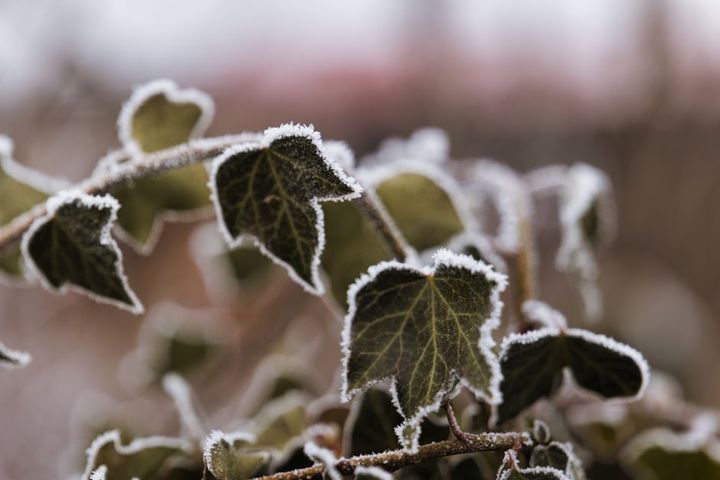
Spot poison ivy in all three growth forms and every season, plus look-alike plants to know.

Identify houseplants by leaf shape, texture, and growth habit with a practical species guide.
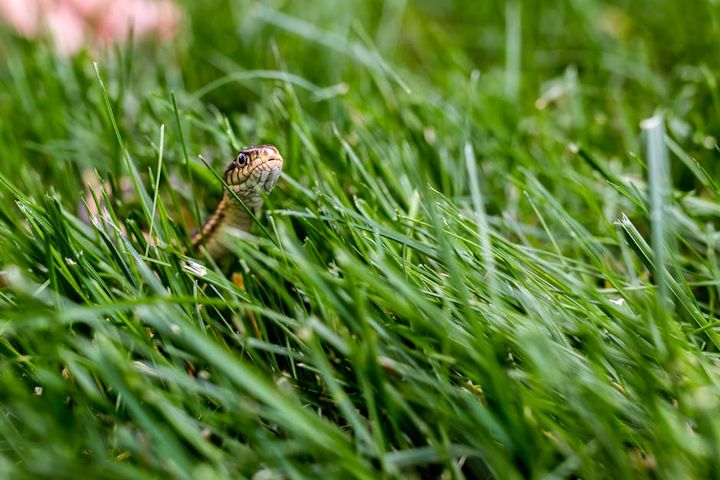
Tell venomous baby snakes from harmless ones by head shape, pupils, and scale patterns.
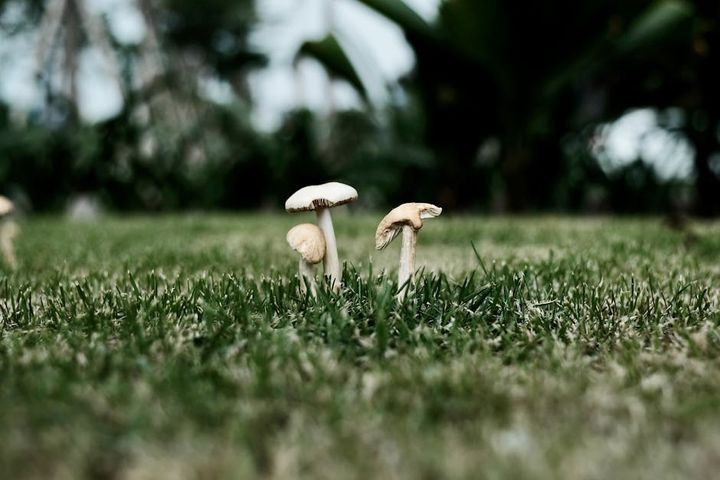
Identify common yard mushrooms, learn which are harmless, and know when to be cautious.
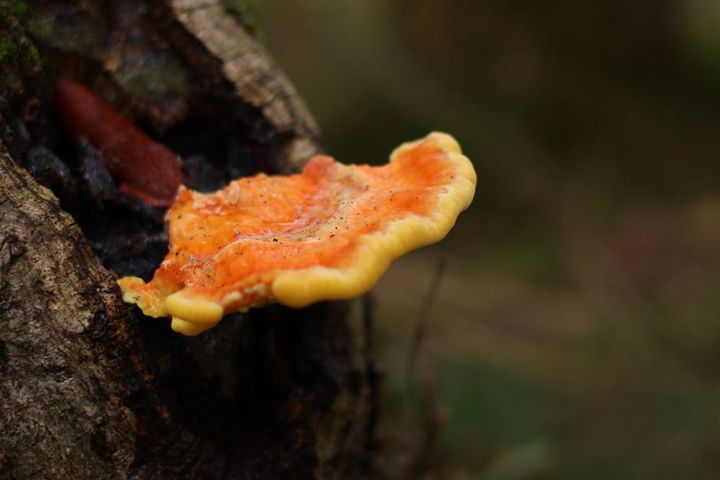
Tell chicken of the woods from its look-alikes by pores, color, and host tree, with a chart and the toxic jack-o'-lantern mix-up.
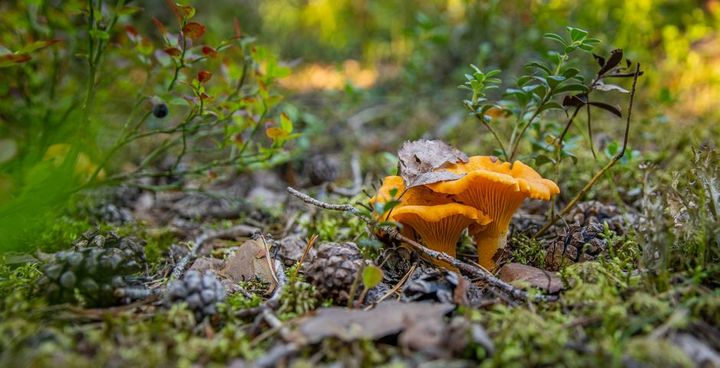
Tell chanterelles from the toxic jack-o'-lantern and false chanterelle by false gills, white flesh, and where they grow.
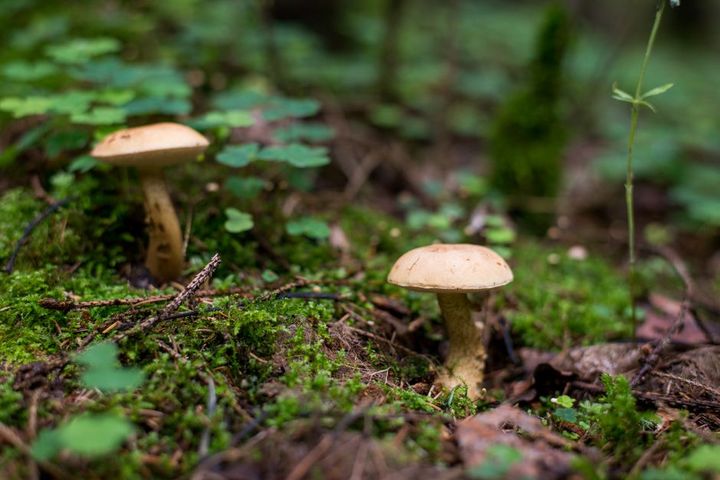
Look up the Latin names of 30 common edible and toxic mushrooms, and learn how the names are built and why they change.
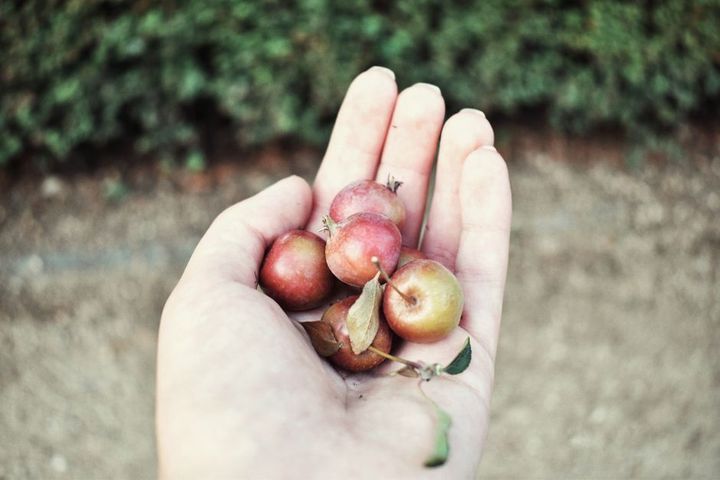
Any Malus fruit 2 inches or less is a crabapple. Covers color, winter fruit, and hawthorn and rowan lookalikes.
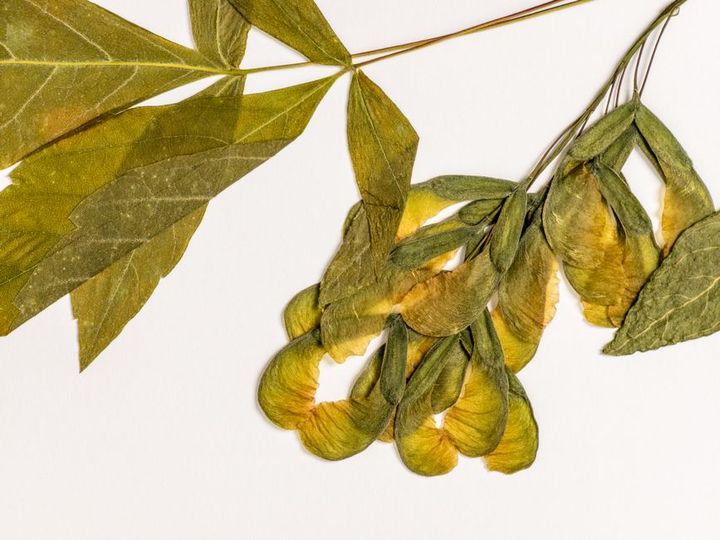
The only maple with compound leaves, which is why it gets mistaken for ash and poison ivy. Four checks that settle it.
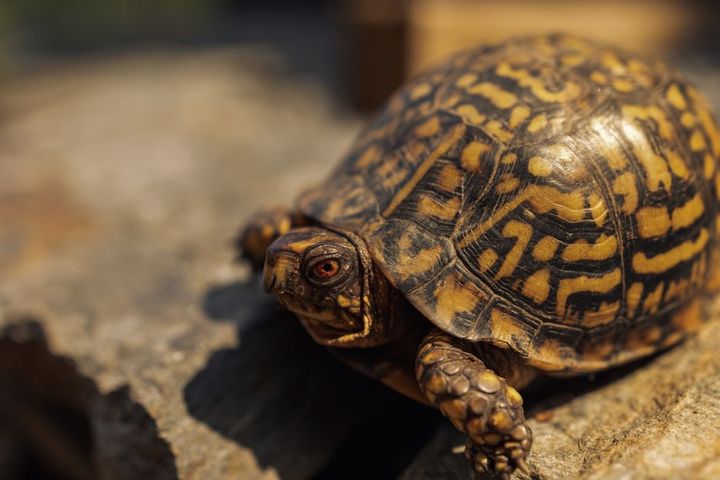
Tell 8 common turtles apart by shell, head stripes, and size, plus turtle vs tortoise and hatchling clues.
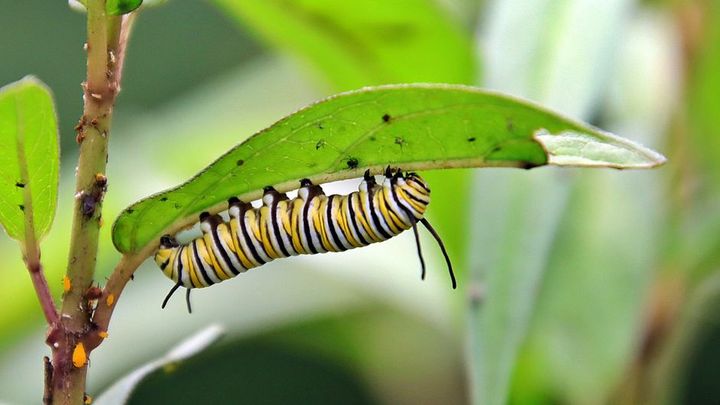
Identify caterpillars by leg count, spines, and host plant, with a 14-species chart and the ones that sting.
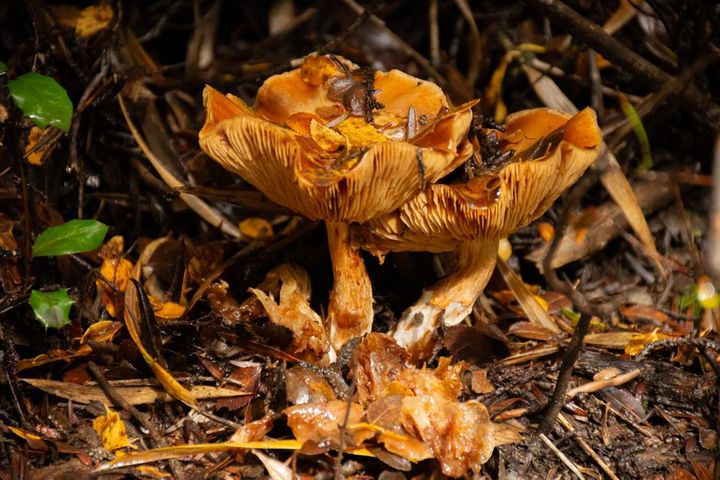
Identify common autumn mushrooms by habitat, cap, and gills, with a chart and dangerous lookalikes.
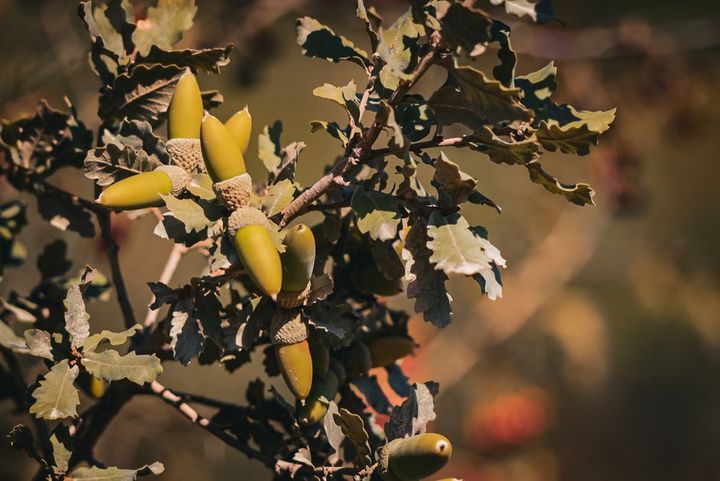
Identify oak species from their acorns by cap texture, nut shape, and size, with a 12-species chart.
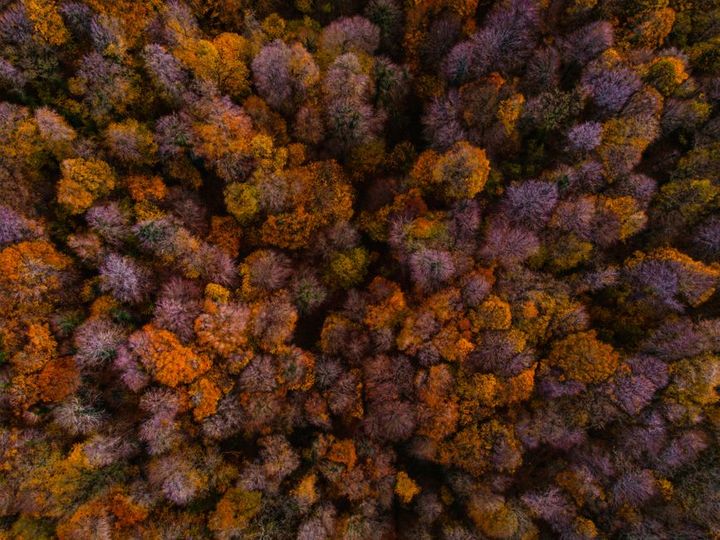
Identify trees by their fall leaves, mapping red, orange, and yellow color to species by leaf shape.

Moose, bison, elk, pronghorn, bears, and wolves, with the best places, seasons, and safety tips.
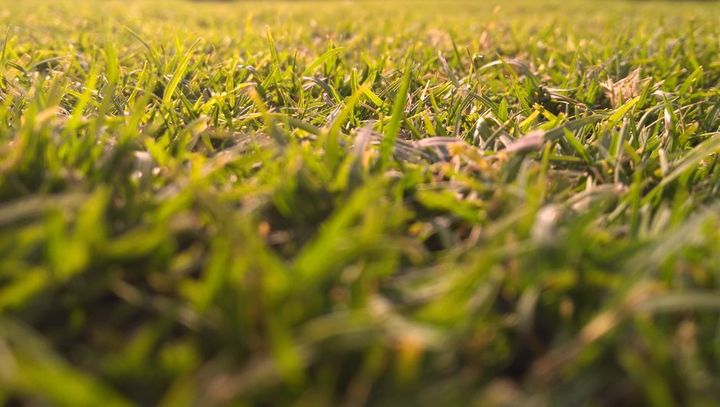
Tell grass types apart by climate zone, blade shape, growth habit, and seed head.

Spot the Big Five: grizzly bears, moose, caribou, Dall sheep, and wolves, with viewing and safety tips.

Read animal prints by toe count, size, and gait, with a species table and tips for snow and mud.

Identify any cactus by growth form, spines, and areoles, with a species reference table.

Tell succulent types apart by leaf shape, texture, and growth habit, from Echeveria to Aloe.
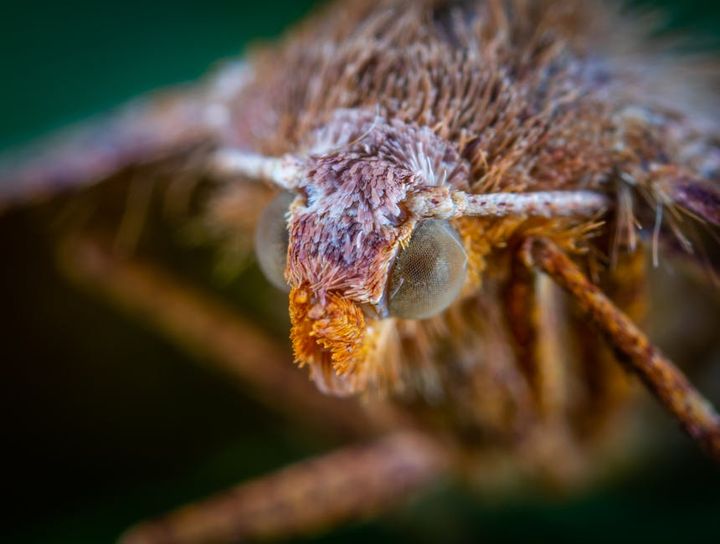
Identify pantry moths, clothes moths, and the signs of an infestation in your home.

Identify pine species by their cones, with a 10-species reference chart and step-by-step guide.

Tell gastropods from bivalves and identify common beach shells by shape, ridges, and texture.
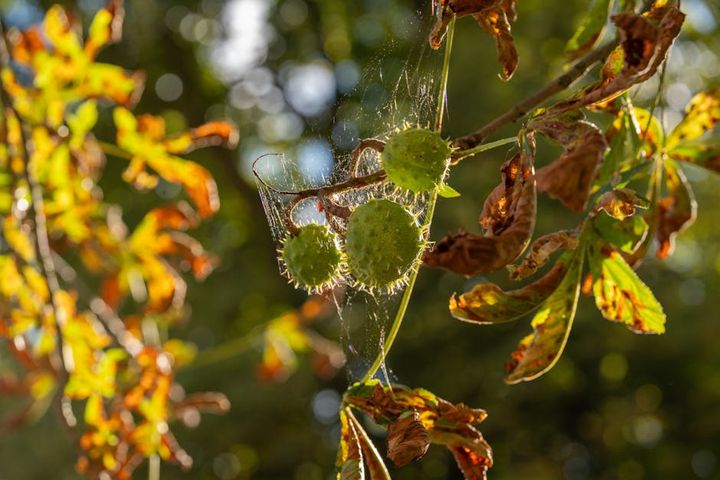
Identify chestnut trees by leaves, bark, burs, and catkins, with a species comparison table.
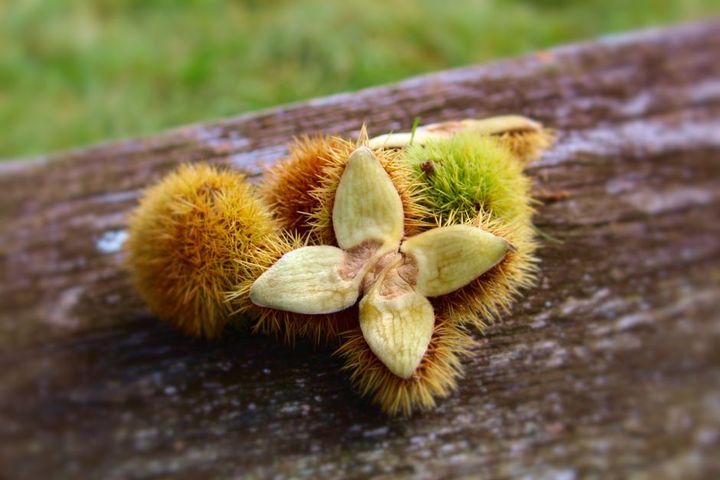
Tell the edible sweet chestnut from the toxic horse chestnut and buckeye by nut, husk, and leaf.

Identify gemstones by color, hardness, luster, and crystal form with a color-based reference table.
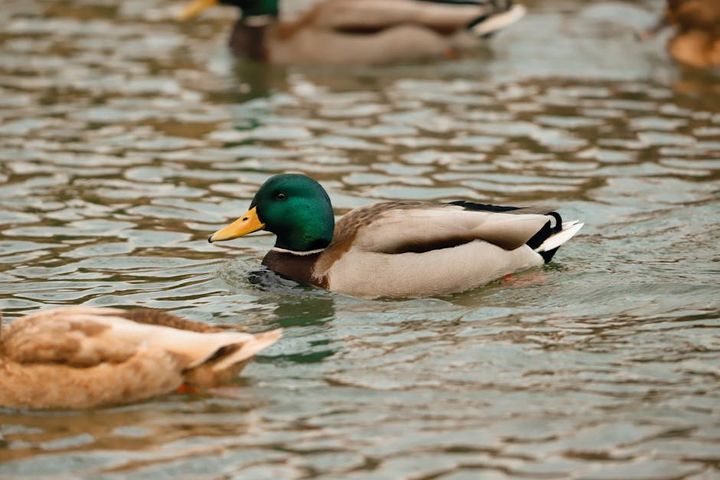
Tell duck species apart by plumage, bill shape, behavior, and body profile with a 12-species reference table.

The five main groups of ducks, from dabblers to sea ducks, with the key species in each and a reference table.

Spot poison hemlock by its purple-spotted stems, fern-like leaves, and white flowers, and know what to do.
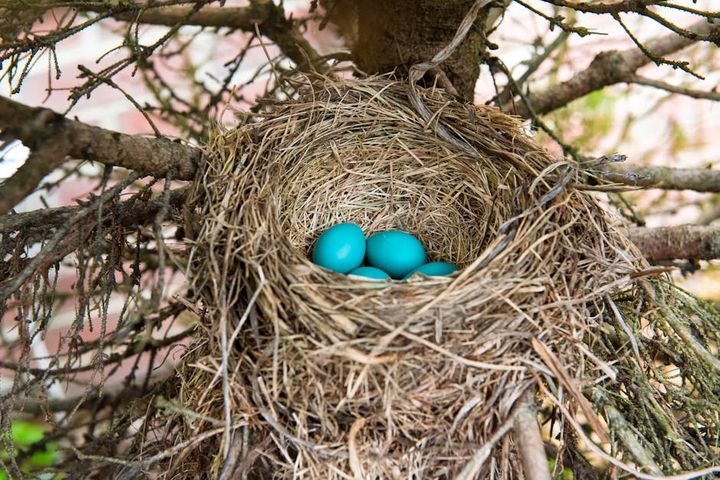
Identify bird eggs by color, size, shape, and markings with a 10-species backyard reference.
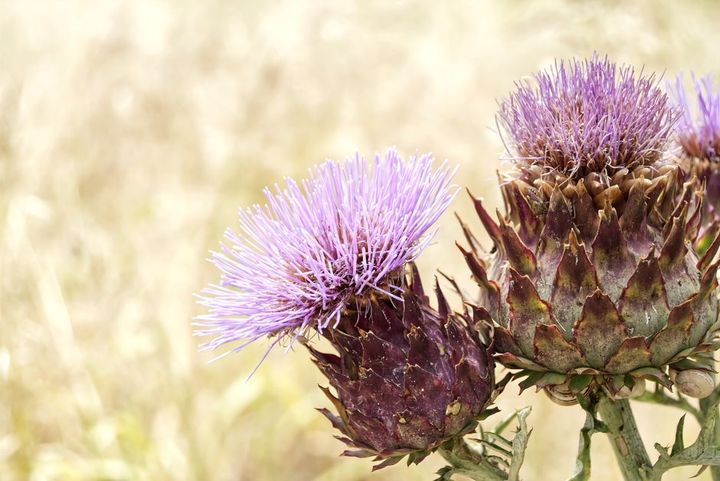
Tell native thistles from invasive species by flower, spines, stem wings, and leaf features.
A beginner's guide to recording your outdoor discoveries, from gear to habit-building.
A comparison of the top plant and nature ID apps to help you pick the right tool.
Apps for plant identification, private maps, seasonal notes, and field journaling.
Eight tree ID apps compared for leaf, bark, and winter twig ID, free tiers, and offline use.
Seven mushroom ID apps compared for photo ID, habitat and GPS records, offline use, and free plans.

Identify bird feathers by type, color, and pattern with a 12-species reference table.
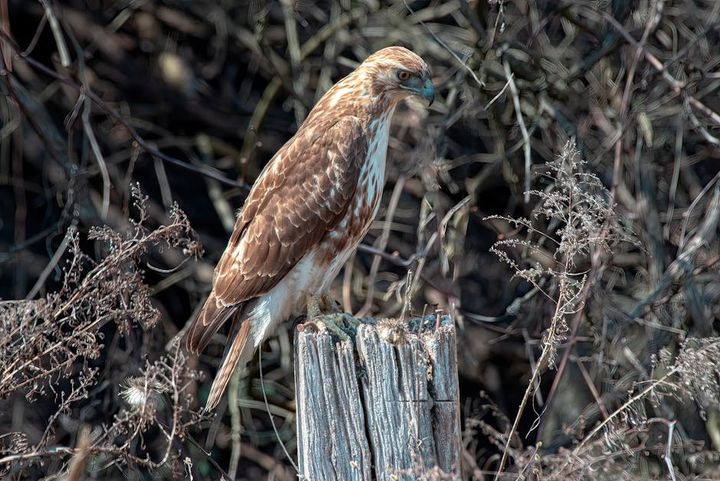
Identify hawks by wing shape, tail, and flight style with a 10-species field reference.
Identify wildlife droppings by shape, size, and contents with a 12-species reference table.

Five field tests to tell if a rock is a geode, plus a mineral chart for identifying what grew inside.

Identify rocks by color, hardness, and streak, and tell igneous, sedimentary, and metamorphic apart.

Tell sparrows from finches by bill shape, plumage, and behavior with species profiles and a comparison table.
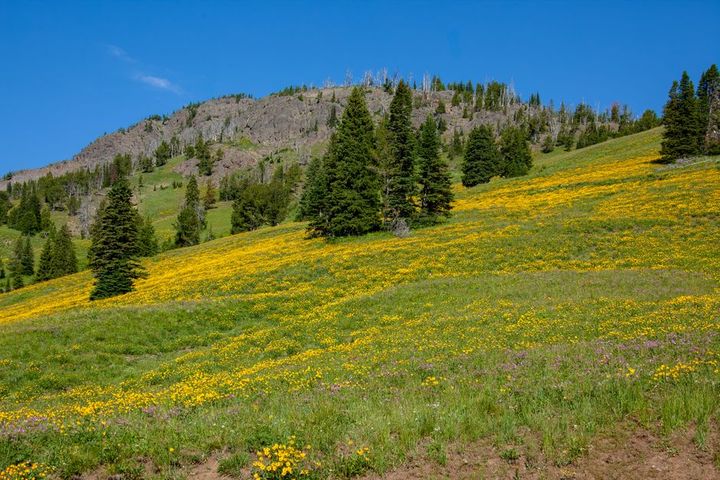
Trees, wildflowers by season, endemic species, and the best trails for plant viewing in Yellowstone.

Mammals, birds, reptiles, and the best trails and times for spotting wildlife in Zion.

Giant sequoias, wildflowers by season, five elevation zones, and the best trails for plant viewing.
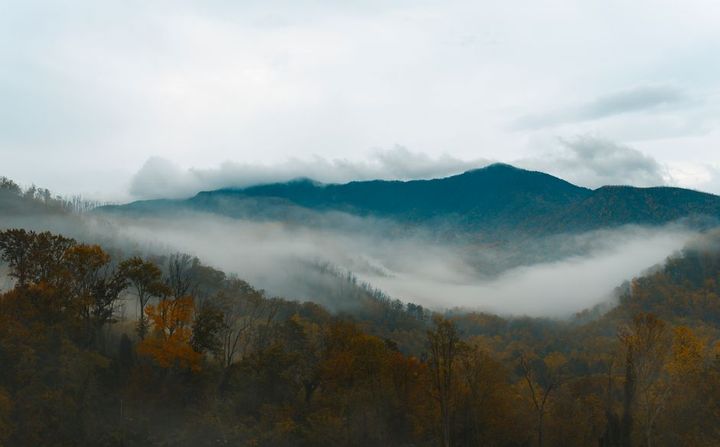
Black bears, elk, salamanders, fireflies, and the best viewing spots in the Smokies.

Grizzly bears, mountain goats, wolves, and the best trails for wildlife viewing.

Peak season timing, best trails, and species to look for in the subalpine meadows.
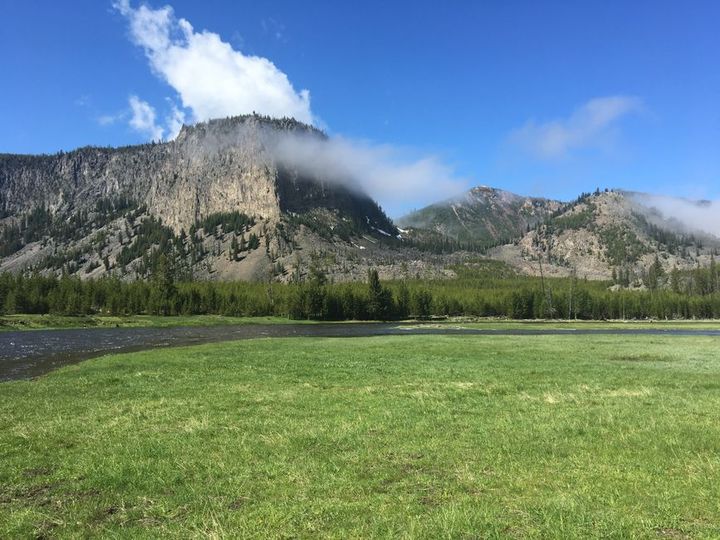
Grizzlies and black bears, where to spot them, how to tell them apart, and trail safety tips.
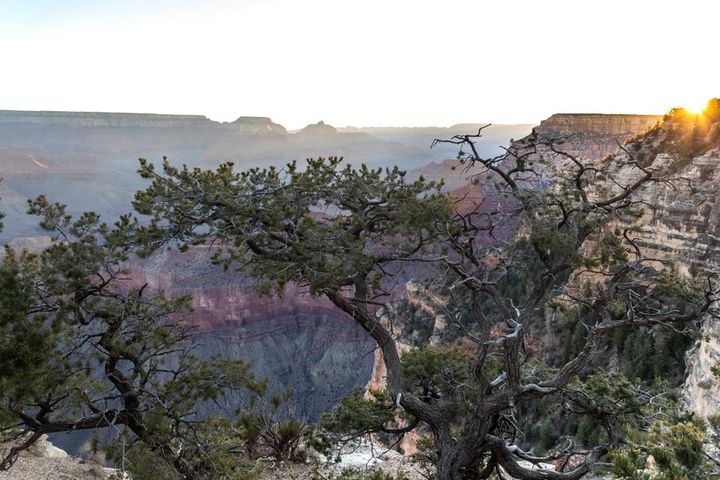
Bighorn sheep, condors, rattlesnakes, and where to spot wildlife from rim to river.

Bison, bighorn sheep, prairie dogs, and the best overlooks for viewing.
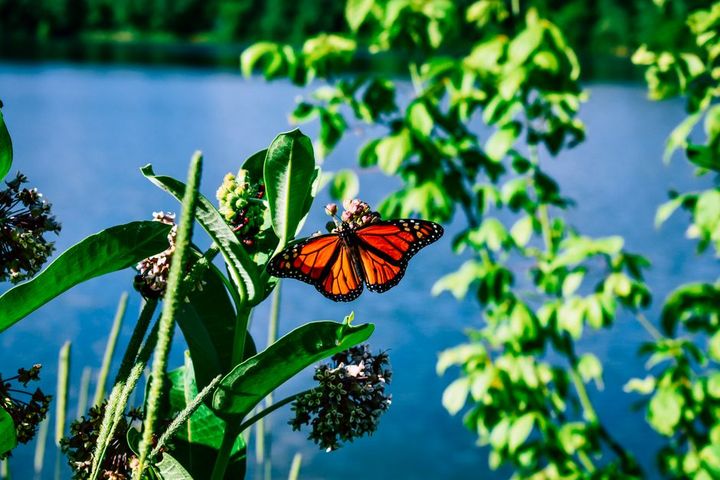
Identify common North American butterflies by wing pattern, color, and flight style.
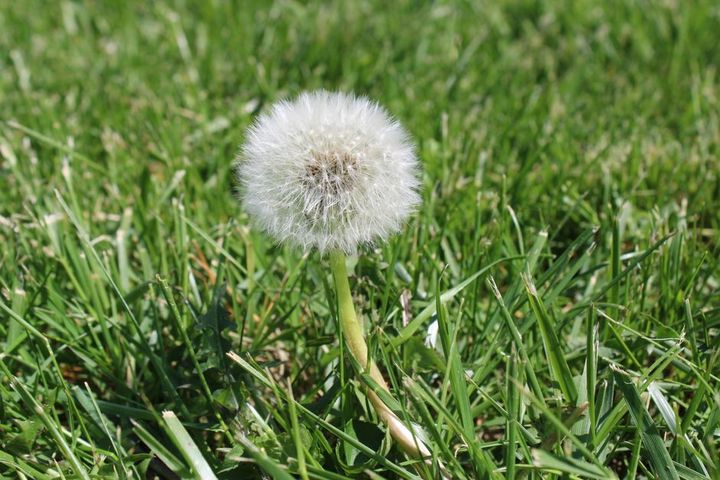
Identify the 10 most common lawn weeds by leaf shape, growth habit, and season.
Frequently asked questions
Fieldbook is a nature journal app for iPhone that lets you identify plants, mushrooms, animals, birds, insects, trees, stones, shells, and more using AI-powered photo recognition. Each find is saved as a journal entry with your photos, GPS location, date, and personal notes. Over time you build a searchable personal nature archive, your own field guide based on real encounters.
Fieldbook uses AI image recognition to identify what you find from your photos. Take a photo of a plant, mushroom, bird, insect, stone, shell, tree, or animal, and Fieldbook analyzes it to suggest the species or type. The app covers 19 categories including berries, herbs, flowers, seaweed, reptiles, amphibians, fish, and more.
Yes, for journaling. You can create entries, add photos, write notes, and record GPS coordinates without an internet connection, which makes it ideal for hiking trails, forests, and remote areas with no cell service. AI identification needs a connection: take the photo offline and the identification runs when you are back in range, attached to the original entry. Your entries sync automatically when you reconnect.
Fieldbook is free to download. The free plan includes 5 AI identifications a month, up to 20 journal entries, and 3 collections. Fieldbook Premium adds 100 AI identifications a month and unlimited entries, collections, and photo storage. In the US, Premium costs $6.99 a month or $39.99 a year, and both plans start with a 3-day free trial. Prices vary by country, and you can cancel anytime.
Not yet. Fieldbook is an iPhone app and needs iOS 15.1 or later. There is no Android or web version.
Fieldbook is designed for hikers, foragers, birdwatchers, naturalists, and anyone curious about the natural world. Whether you're a casual walker who wants to know what flowers you pass, a mushroom forager tracking seasonal spots, or a parent exploring nature with your kids, Fieldbook helps you remember every find.
Every entry you create is automatically geotagged with GPS coordinates and placed on an interactive discovery map. You can filter the map by species type, date, or location to revisit past finds. You can also organize discoveries into custom collections by theme, trip, or habitat.
Free to download. Free trial included.